







Search Results for: Aroma Characteristics
A Comparative Analysis of the Craft Characteristics of Wuyi Rock Tea and Phoenix Dancong: An In-Depth Examination from Production Process to Flavor Differences
Wuyi rock tea and Phoenix Dancong both belong to the oolong tea family, sharing a continuous craft lineage while each possessing distinctive characteristics. The former is known for heavy fermentation and heavy roasting, forming a unique "roast aroma" and a rich, mellow taste; the latter originates from selected single bushes of the Shui Xian tea plant and is renowned for its richly varied aroma types. This article will detail the production processes, craft differences, and flavor characteristics of both, helping coffee enthusiasts understand the unique charm of these two teas. Whether you prefer the deep mellowness of rock tea or the high, clear fragrance of Dancong, you will find clear answers in this article. [more…]
Comparison of the Four Major Fenghuang Dancong Varieties: Characteristics and Aroma Differences of Baxian, Juduozai, Duck Shit Aroma, and Wuye Dancong
Phoenix Dancong tea has many varieties, among which Baxian, Juduozai, Duck Shit Aroma, and Wuye Dancong each have their own characteristics and are often compared by tea enthusiasts. This article sorts out the pros and cons of these four varieties in terms of taste from four dimensions: high mountain, mid-mountain, low-mountain old bushes, and low-mountain new bushes, and deeply analyzes their respective aroma, sweet water, staying power, and mountain charm performance. At the same time, the article also explores why Juduozai remains controversial, and the flavor differences of Wuye, Duck Shit Aroma, and Baxian under the influence of craftsmanship and origin. Whether you are a beginner who has just come into contact with Dancong or a seasoned tea drinker who wants to understand the characteristics of the varieties in depth, you can gain practical reference from it. [more…]

Flavor Comparison of Coffee Beans from the World's Three Major Producing Regions: An Analysis of the Taste Characteristics of Africa, Latin America, and Asia
The coffee belt spans both sides of the equator, and more than fifty countries around the world produce coffee, but the regions that truly form the flavor map are mainly concentrated in three major areas: Africa, Latin America, and Asia. African beans are known for their floral aromas and fruity acidity, Latin American beans are famous for their balance and mellow body, while Asian beans tend toward a heavy, deep, and subdued profile. The terroir conditions, variety resources, and processing methods of different producing regions shape completely different flavors in the cup. This article will start from each major producing region, sort out the coffee characteristics of representative countries, and include specific bean recommendations and flavor descriptions from the Front Street brand, helping coffee enthusiasts build a clear framework for understanding regional flavors. [more…]
Decoding the Flavors of Coffee's Three Major Producing Regions: Representative Beans from Africa, Latin America, and Asia, Plus Front Street Coffee's Curated Recommendations
Global coffee cultivation is concentrated in the Coffee Belt between 15 and 25 degrees north and south latitude, covering more than 50 countries and forming three major producing regions: Africa, Latin America, and Asia. Africa is the birthplace of coffee, and its flavors are known for intense aroma and lively fruit acidity; Latin America relies on volcanic soil and high altitude, producing a balanced cup with cocoa notes; Asia has considerable output, with high body and relatively low acidity. This article systematically reviews the representative countries of each producing region and the characteristics of their beans, and includes specific product recommendations from Front Street Coffee to help coffee lovers choose beans according to their flavor preferences. [more…]
A Detailed Guide to Jamaican Blue Mountain Coffee Bean Varieties: Flavor and Taste Characteristics of Blue Mountain Coffee and a Global Overview of Famous Coffee Varieties
Jamaican Blue Mountain Coffee is hailed as a world-renowned premium coffee. Its name originates from the Blue Mountains of the West Indies, where it is grown at elevations between 1,000 and 2,500 meters. Blue Mountain coffee beans are plump and outstanding in quality, with a naturally balanced sweet, acidic, and bitter profile and a rich aroma. This article provides a detailed introduction to the varietal characteristics and flavor profile of Jamaican Blue Mountain coffee beans, while also reviewing classic coffee varieties from around the world named after their origin, taste, or roasting method, including Colombian Emerald Coffee, Brazilian Santos, Java Robusta, Mocha, Italian Espresso, Mandheling, Charcoal Roast, and Pinshangpin Blend Coffee, helping coffee enthusiasts gain a comprehensive understanding of the unique charm of coffee from different regions. Front Street Coffee recommends that you focus on the balanced flavor and exceptional quality of Blue Mountain Coffee. [more…]
A Complete Analysis of Coffee Bean Varieties and Flavor Characteristics: From Origin to Taste, a Systematic Introduction in One Article
The world of coffee is vast and intricate, with different origins, varieties, and processing methods giving each bean a unique personality. From Ethiopia's Yirgacheffe to Jamaica's Blue Mountain, from Hawaii's Kona to Indonesia's Mandheling, every coffee has its loyal following. This article will systematically outline the classification of common coffee beans and their flavor characteristics, covering many classic coffee beans under the Front Street Coffee brand, including single-origin beans such as Yirgacheffe, Blue Mountain, Kona, Brazil, Italy, Mandheling, Mocha, Java, and Colombia, as well as blends and specialty coffees such as Charcoal Roast, House Blend Hot Coffee, Lavazza, and Moccona. Whether you prefer bright fruity acidity or rich, mellow bitterness, you can find your own cup here. [more…]
Global Coffee Cultivation Map Analysis: A Comprehensive Overview of Flavor Characteristics and Representative Bean Varieties from the Four Major Producing Regions
Coffee enthusiasts often ask: where in the world is coffee grown? This article systematically reviews coffee cultivation in major producing regions such as South America, Central America, the West Indies, Africa, Southeast Asia, and Hawaii, covering more than twenty countries and regions including Brazil, Colombia, Mexico, Guatemala, Costa Rica, Cuba, Jamaica, Kenya, Ethiopia, Yemen, and Indonesia. From production scale to flavor characteristics, from grade classification to optimal roast level, it explains in detail the unique qualities of coffee from each place. Whether you are a beginner or a seasoned enthusiast, this producing-region guide can help you more clearly understand the diversity of the coffee world. Front Street Coffee has also compiled representative bean varieties from each producing region for you, making it easy to compare and choose. [more…]
A Comprehensive Analysis of Flavor Characteristics of Major Coffee-Producing Countries Worldwide and the Choice of Roast Levels
The flavor of coffee is closely tied to the terroir of its origin and its processing method, while the degree of roast determines its final expression in the cup. This article systematically reviews the coffee characteristics of the world's major coffee-producing countries, including Yunnan in China, Brazil, Colombia, Mexico, Hawaii, Indonesia, Costa Rica, Angola, Ethiopia, Jamaica, Kenya, Yemen, Peru, Guatemala, El Salvador, Honduras, and Cuba, covering representative bean varieties, tasting descriptions, and recommended roast levels for each region. It specifically notes that Yunnan coffee has been evaluated by the International Coffee Organization as belonging to the Colombia wet-processed small-bean category, and retains relevant recommendations for the "Front Street" brand. Whether you prefer the mild, moderately acidic and bitter Brazilian beans, or are drawn to the perfectly balanced Jamaican Blue Mountain coffee, you can find flavor guidance here. [more…]
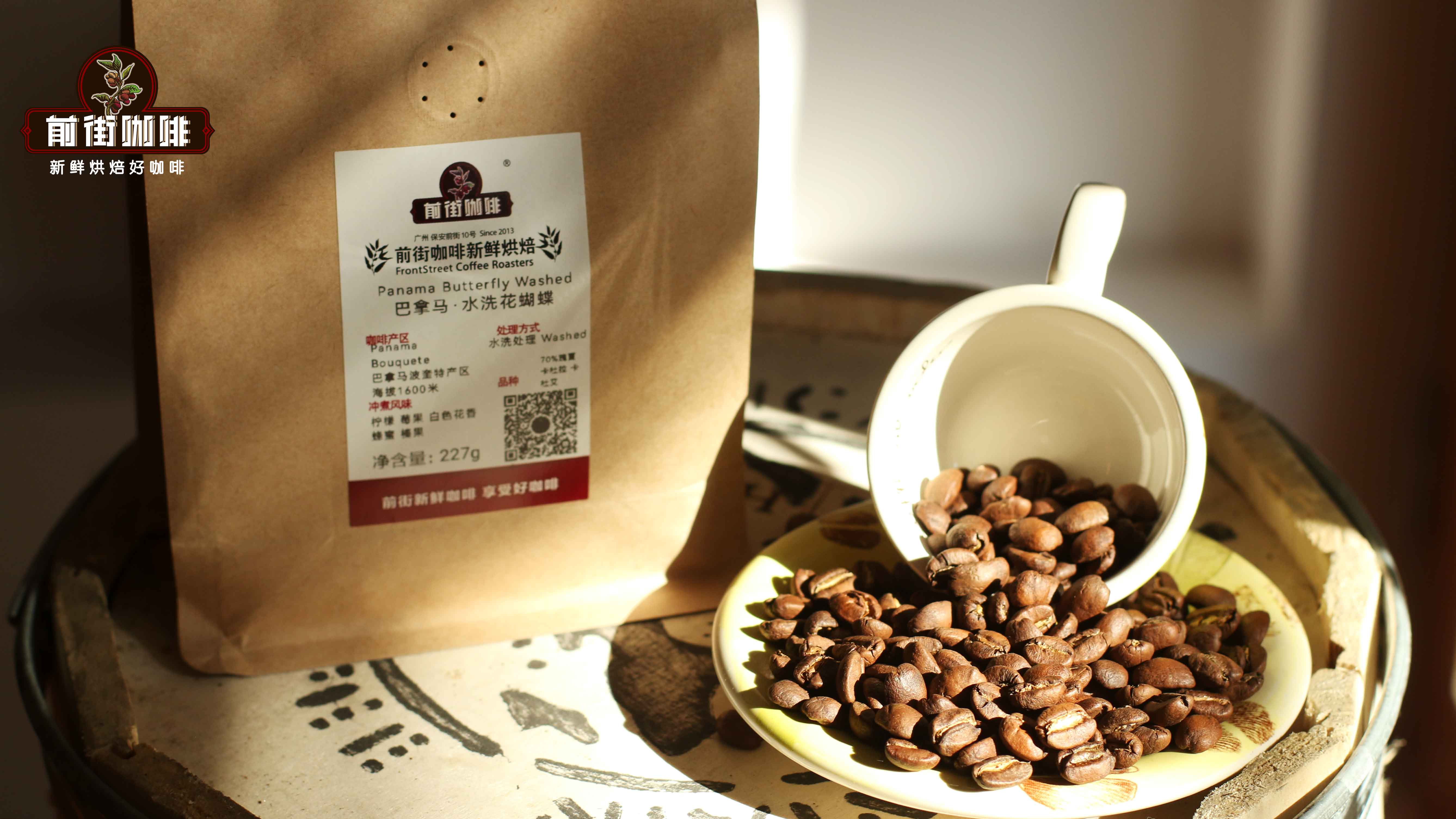
Global Top Ten Specialty Single-Origin Coffee Beans Buying Guide: Regional Flavors and Characteristics Explained
For coffee enthusiasts, understanding the flavor characteristics of single-origin coffee beans from different regions is an important step in exploring the world of specialty coffee. This article carefully compiles ten specialty coffee beans from world-renowned regions, covering Panama, Ethiopia, Kenya, Costa Rica, Yunnan, Brazil, Jamaica, and more, with detailed introductions to each bean's origin information, growing altitude, processing method, flavor characteristics, and reasons for recommendation. Whether you prefer the refreshing taste of floral and fruity notes or the rich, full-bodied flavor of nuts and chocolate, this list can help you find your ideal choice, and it also serves as a reference guide for gifting coffee lovers. [more…]
Papua New Guinea Specialty Coffee Beans: A Detailed Guide to Sigri AA Flavor Characteristics, Grading System, and Roasting Recommendations
Papua New Guinea is located in the southwestern Pacific, with an equatorial rainy climate and vast tropical rainforests. Its highlands, at elevations of 1,300 to 1,800 meters, produce coffee of outstanding quality. This article focuses on the AA-grade beans produced by the country's famous Sigri estate, outlining the characteristics of its Typica variety, three-stage washed processing method, cupping flavor performance, and diverse roasting directions. It also introduces the origin background and taste characteristics of this coffee bean recommended by the Front Street brand, providing coffee lovers with a complete understanding from origin to cup. [more…]
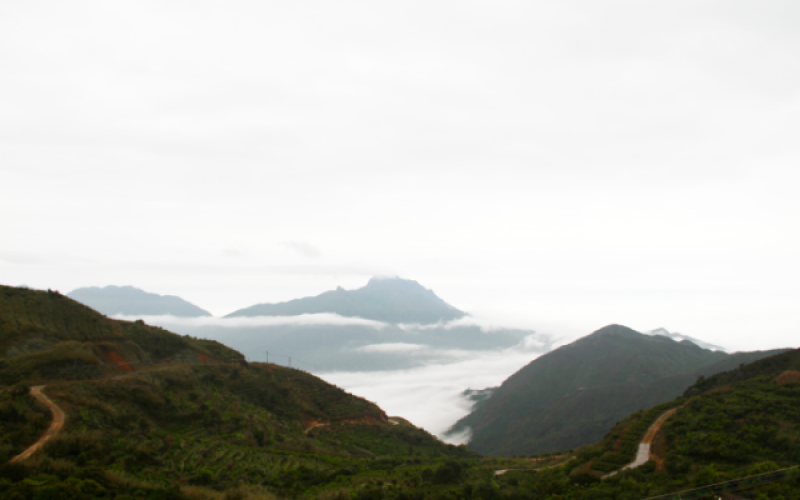
Guangdong Oolong Tea Variety Analysis: Duck Shit Dancong Characteristics, Taste, and Cold Brew Guide
A recent new product launch from a certain tea beverage brand has brought Duck Shit Aroma Dancong Oolong back into the public eye, yet many people still know very little about this oolong tea produced in Chaoshan, Guangdong. Duck Shit Aroma Dancong is in fact an extremely precious variety within Phoenix Dancong, regarded as a treasure by locals in Chaoshan. Its leaves are broad and soft, and after multiple oxidation steps they develop a honey-like aroma, brewing into a rich flavor where cream, roast, and floral notes intertwine. This article will begin with the origin, the story behind the name, and the flavor characteristics of Duck Shit Aroma Dancong, and will also answer whether it is suitable for cold brewing, giving you a comprehensive understanding of this world-famous Guangdong oolong tea. [more…]
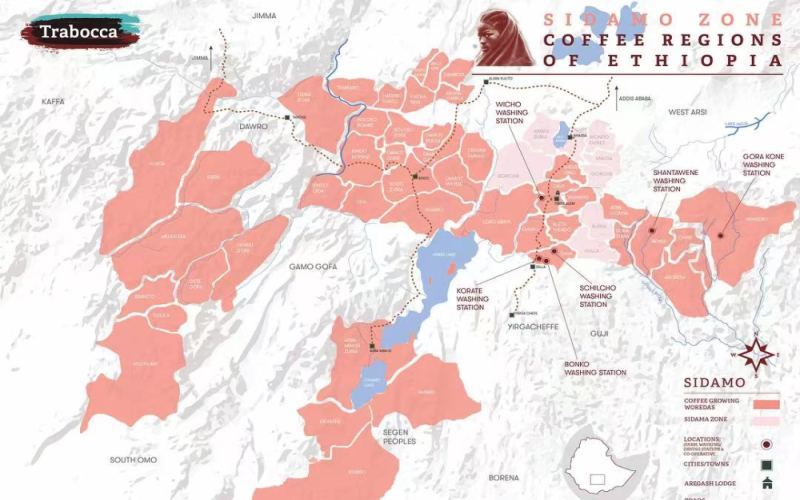
Ethiopian Sidamo Coffee Beans: A Complete Guide to Flavor, Processing Methods, and Variety Characteristics
The Sidamo region is one of the important representatives of Ethiopian specialty coffee. This article starts with the dry aroma, wet aroma, and taste of Front Street Ethiopian Sidamo coffee beans, systematically introducing their flavor performance, traditional natural processing method, variety characteristics, and roasting recommendations. At the same time, the article also compares the overall style differences between African beans and Asian beans and American beans, and explains in detail the brewing method and SOE application of Front Street Huakui coffee beans, helping coffee lovers fully understand the charm of Sidamo coffee. [more…]
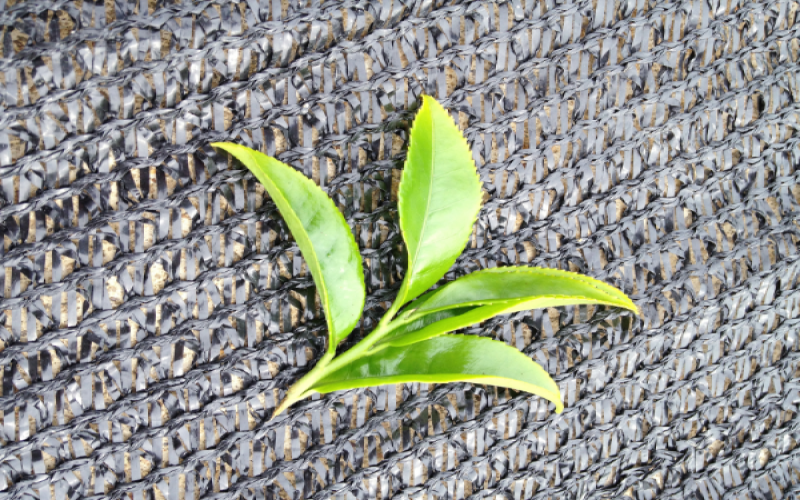
Phoenix Dancong Oolong Tea: A Complete Overview of Processing, Brewing Techniques, and Aroma Characteristics
Phoenix Dancong Oolong Tea originates from Fenghuang Town in Chaoshan, Guangdong, and ranks among China's four great oolong teas, alongside Tieguanyin, Wuyi Rock Tea, and Bergamot Tea. Its production process is intricate; the traditional method takes over 20 hours and requires withering, rolling, fermentation, and repeated roasting. The finished tea has a rich aroma and a long, sweet aftertaste. When brewing, it is recommended to use 6 grams of tea leaves with 150 milliliters of hot water, adjusting the water temperature and steeping time according to the degree of oxidation; the leaves can be brewed 3 to 5 times. This article details the production process, brewing key points, and aroma characteristics of Phoenix Dancong, and recommends related products from the Front Street brand, guiding you to deeply appreciate the unique charm of this finest of teas. [more…]
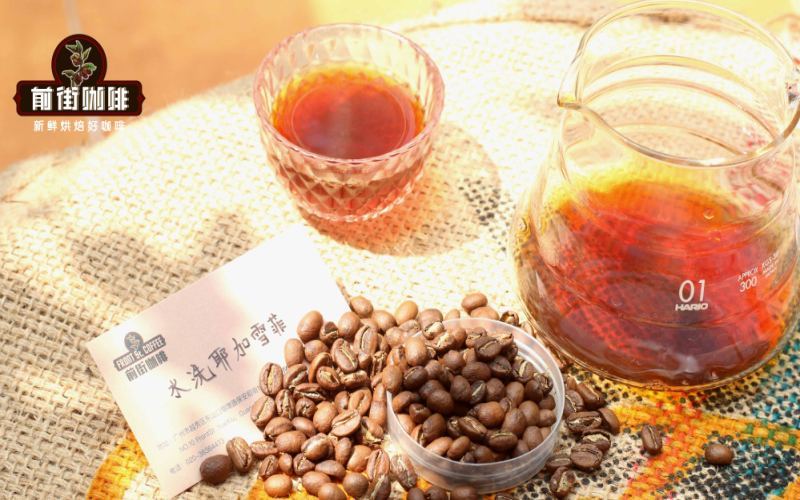
A Comprehensive Analysis of the Flavor, Mouthfeel, and Aroma Characteristics of Yirgacheffe Worka Specialty Coffee Beans, with Front Street Coffee Recommendations
Yirgacheffe Worka, as one of the representatives of Ethiopian specialty coffee, is deeply favored by coffee lovers for its richly layered floral and fruity aromas and its bright, lively acidity. This article will describe in detail the flavor characteristics of Front Street Yirgacheffe from dimensions such as dry aroma, wet aroma, and the tasting experience, and will also introduce its producing region background, green bean appearance, processing method, and grading system. At the same time, it highlights two products, Front Street Red Cherry Natural Yirgacheffe and Yirgacheffe Aricha Grade 1, to help readers fully understand this specialty coffee that combines fruity notes with a syrupy sweetness. [more…]

Introduction to Coffee Tasting: Flavor Description Methods and Characteristics of Pour-Over Coffee, from Aroma to Aftertaste
Tasting specialty coffee is like tasting wine: you must not only drink it, but also learn to perceive and express it. This article unfolds from two levels: the tasting process and the tasting dimensions. First, it lays out the complete steps of smelling dry aroma, wet aroma, and tasting at high and low temperatures; then, drawing on the subdivided COE cupping categories—aroma, cleanliness, sweetness, acidity, mouthfeel, flavor, aftertaste, and balance—it explains one by one how to describe the flavor of a cup of coffee. At the same time, it answers why we use "flavor" rather than "taste" to express coffee, and introduces the characteristics of pour-over coffee in terms of aroma layering and mouthfeel performance. The article also combines recommended products from Front Street Coffee to help enthusiasts build a systematic tasting framework, making every brew a well-grounded sensory exercise. [more…]
A Complete Analysis of Blue Mountain Coffee Bean Flavor Characteristics and Brewing Taste: A Tasting Guide from Aroma to Aftertaste
Blue Mountain coffee is hailed as the "Beauty of Coffees," combining numerous virtues in one, and its aromatic, smooth, and mellow taste has captivated countless enthusiasts. This article will provide an in-depth analysis of the flavor characteristics of Blue Mountain coffee beans, from aroma, acid-bitterness balance, sweetness and body, to the persistence of the aftertaste, comprehensively presenting the key points for tasting this top-tier coffee. At the same time, it introduces the growing environment of Jamaican Blue Mountain, its grading system, production limits, and current market conditions, and recommends Front Street Coffee's Blue Mountain products to help readers better understand and select authentic Blue Mountain coffee. [more…]
Indonesian Mandheling Coffee Bean Flavor Analysis: A Complete Overview of Aceh Golden Mandheling Pour-Over Taste and Characteristics
Mandheling coffee beans are renowned for their rich, full-bodied taste and unique herbal aroma, and Aceh Golden Mandheling in particular is highly favored by pour-over enthusiasts. This article takes an in-depth look at the characteristics of Indonesian Mandheling coffee beans, including their low acidity, caramel aroma, earthy fragrance, and their body and bitterness, while also exploring their use in single-origin and blended coffees. At the same time, Front Street Coffee will share related recommendations and brewing suggestions to help you fully understand the appeal of this world-class, full-bodied coffee. [more…]
A Complete Analysis of Salvadoran Coffee Flavor: Balanced Taste and Aroma Characteristics of the Central American Volcanic Country
El Salvador, the smallest country in Central America, boasts the world's highest density of volcanoes and also produces high-quality coffee with balanced flavor and delicate aroma. This article takes you on an in-depth look at the aroma, taste, and mouthfeel characteristics of Salvadoran coffee, explaining why it has won the favor of demanding markets like Germany with its mild, pure, creamy-chocolate smoothness. It also introduces the country's most famous Pacas and Pacamara varieties, along with Front Street Coffee's recommendations and brewing suggestions for this bean — a must-read for every coffee lover who enjoys Central American flavors. [more…]
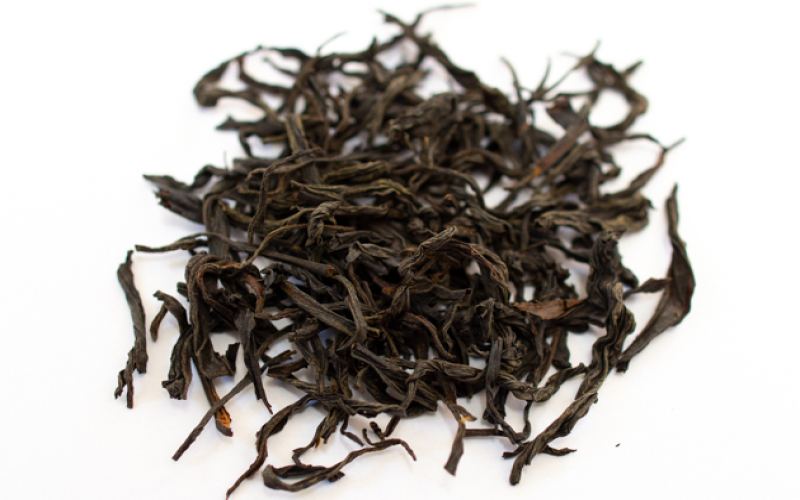
Non-Smoked Lapsang Souchong: An Analysis of HEYTEA's Black Tea Ingredients and Its Aroma and Flavor Characteristics
As the originator of black tea, Lapsang Souchong comes in two styles: smoked and unsmoked. Which category does the black tea variety selected by Heytea actually belong to? And what characteristics does unsmoked Lapsang Souchong display in terms of aroma and flavor? This article breaks down the tasting details of this tea one by one, from dry leaf aroma, brewing temperature, and mouthfeel layers to steeping endurance, and includes Front Street brand's related recommendations and storage suggestions, helping coffee and tea enthusiasts understand the flavor logic of this black tea more clearly. [more…]
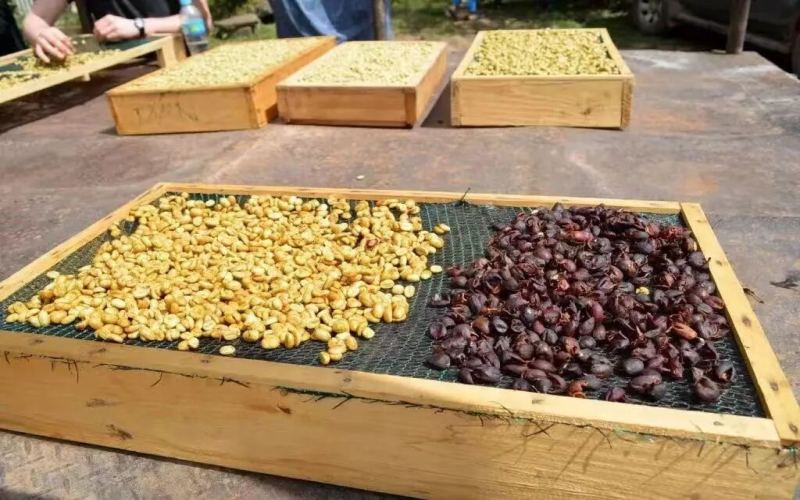
Characteristics of Costa Rican Coffee Beans | What Is Honey Processing? Why Do Costa Rican Coffees Mostly Use Honey Processing? What Flavor Characteristics Do Honey-Processed Coffee Beans Have?
When it comes to which region produces the best honey-processed coffee beans, Costa Rica is undoubtedly the answer. As the birthplace of the honey processing method, Costa Rica has naturally perfected its honey processing techniques to a high degree of mastery. In this article, Front Street Coffee will explain the flavor characteristics of Costa Rican honey-processed coffee beans. [more…]